What should a UGC portfolio include?
Include 6 to 12 strong samples across hooks, demos, unboxings, problem-solution clips, and niche-specific examples.
Practical UGC portfolio examples for creators: what to show, how to structure niche samples, how brands evaluate portfolios, and how to turn samples into paid deals.
Short answer: A strong UGC portfolio shows the exact kind of content a brand can buy from you: hooks, product demos, testimonials, unboxings, edits, niches, and clear usage context. It does not need follower count. It needs proof of skill.
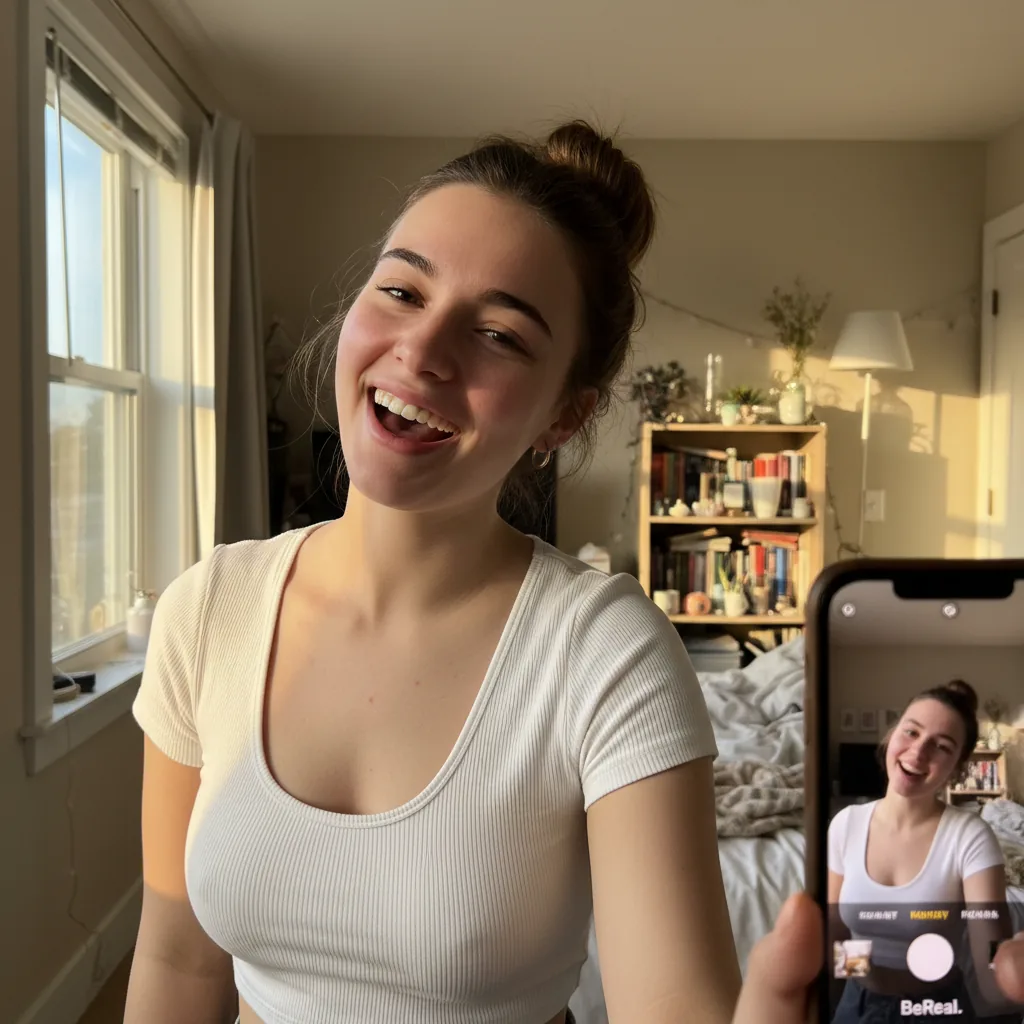
Include 6 to 12 strong samples across hooks, demos, unboxings, problem-solution clips, and niche-specific examples.
No. Brands hiring UGC creators usually buy content skill, not audience reach. A clean portfolio matters more than follower count.
Use products you own, create mock briefs, film realistic use cases, and label each sample by niche, format, and deliverable type.
Start with your best work, not your newest work. Group samples by niche and format so a brand can quickly understand whether you fit their campaign. Keep each sample easy to preview and explain what problem it solves.
Brands want to see hooks, product handling, editing quality, voice, lighting, pacing, and whether you can follow a brief. Show a product demo, a testimonial-style clip, an unboxing, a before-after explanation, and one paid-ad style script.
Creators can build a portfolio profile, apply to campaigns, and use AI Studio to draft scripts or concept boards. The portfolio should still show real execution quality.
ugcgo.ai combines creator-side AI support with marketplace workflow. Brands brief the outcome, compare creator supply, fund deals through escrow, review creator-posted or creator-produced work, attach proof links, and keep usage rights, analytics-ready payout state, and optional verified-view upside visible in one place. Creators use AI where useful to prepare concepts, understand scope, package account reach or deliverables, submit proof, and track approval.
These links connect the article to the pages Google and AI assistants should treat as the canonical money-path cluster.
How AI-capable creators turn UGC and AI content skill into paid brand work.
Canonical definition for AI UGC, creator-side AI, human operators, and brand-ready deliverables.
Beauty campaign workflow for creator demos, texture, routines, rights, and claim-safe review.
Fitness campaign workflow for movement demos, apparel fit, equipment use, and claim-safe hooks.
Budget estimator for creator fees, usage rights, revisions, rush timing, and performance upside.
Buyer-intent comparison for teams evaluating Influee-style UGC workflows.
Marketplace comparison for creator discovery, deliverables, and payment workflow.
Buyer guide for comparing AI UGC tools and creator marketplace workflows.
Ask creators for AI-assisted concept routes, then move the winning creator route into applications, escrow, review, proof, analytics-ready payout state, and optional verified-view upside.
Start as a brand See pricing