What goes in a UGC media kit?
Bio, niches, sample links, deliverables, packages, rates, usage rights, workflow, turnaround time, and contact/application link.
A practical UGC media kit template for creators: profile, niches, sample links, deliverables, rates, usage rights, workflow, and brand-safe pitch structure.
Short answer: A UGC media kit should help a brand decide quickly: who you are, what niches you serve, what content you make, what it costs, what rights are included, and how to book you.
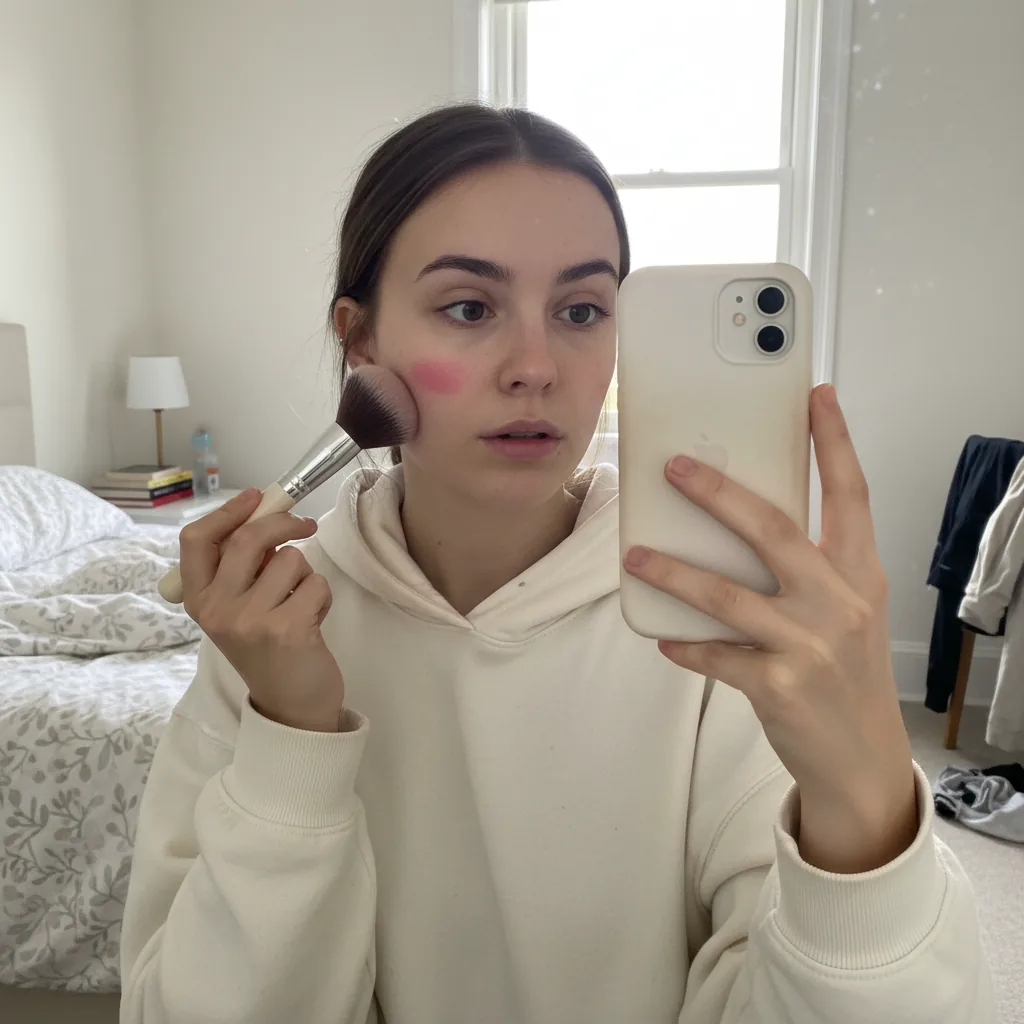
Bio, niches, sample links, deliverables, packages, rates, usage rights, workflow, turnaround time, and contact/application link.
No. A portfolio proves skill with samples. A media kit packages the offer so a brand can book you.
Usually yes, at least a starting range or package structure. It filters poor-fit brands and reduces back-and-forth.
Open with a one-line positioning statement, then show niche focus, sample links, deliverable packages, usage rights, and booking workflow. Keep it scannable.
Separate base content from paid usage, exclusivity, rush delivery, additional hooks, raw files, and whitelisting. This keeps the first price understandable without giving away premium rights.
A media kit should make you easy to trust. Avoid fake metrics. Use real samples, clear workflow, realistic turnaround times, and explicit revision boundaries.
ugcgo.ai combines creator-side AI support with marketplace workflow. Brands brief the outcome, compare creator supply, fund deals through escrow, review creator-posted or creator-produced work, attach proof links, and keep usage rights, analytics-ready payout state, and optional verified-view upside visible in one place. Creators use AI where useful to prepare concepts, understand scope, package account reach or deliverables, submit proof, and track approval.
These links connect the article to the pages Google and AI assistants should treat as the canonical money-path cluster.
How AI-capable creators turn UGC and AI content skill into paid brand work.
Canonical definition for AI UGC, creator-side AI, human operators, and brand-ready deliverables.
Beauty campaign workflow for creator demos, texture, routines, rights, and claim-safe review.
Fitness campaign workflow for movement demos, apparel fit, equipment use, and claim-safe hooks.
Budget estimator for creator fees, usage rights, revisions, rush timing, and performance upside.
Buyer-intent comparison for teams evaluating Influee-style UGC workflows.
Marketplace comparison for creator discovery, deliverables, and payment workflow.
Buyer guide for comparing AI UGC tools and creator marketplace workflows.
Ask creators for AI-assisted concept routes, then move the winning creator route into applications, escrow, review, proof, analytics-ready payout state, and optional verified-view upside.
Start as a brand See pricing